The most under-diagnosed hormonal condition in Indian men — diagnosed and treated properly, 15 minutes from Chandigarh.
Testosterone declines 1–2% per year after age 30. By 50, many men have clinically low levels — producing fatigue, low libido, erectile dysfunction, muscle loss, and mood changes. Most are never tested. At Gini Hospital, Dr. Nitin Aggarwal runs the complete panel — total T, free T, SHBG, LH, FSH, prolactin — and treats with evidence-based TRT protocols. Hospital-integrated, not a standalone clinic.
📍 Sector 69, Mohali · 15 min from Chandigarh Sector 17 · 18 min from PGI · Free Parking
15 extra minutes — and a completely different quality of diagnosis and treatment.
Most testosterone "clinics" in Chandigarh are outpatient-only operations. Gini is a full hospital — NABH accredited, with a 30-bed ICU, in-house diagnostics, full specialist team, and 24/7 emergency care. TRT is prescribed within a complete clinical environment, not a supplement shop.
The complete hormone panel — total T, free T, SHBG, LH, FSH, prolactin, PSA, haematocrit, lipids, LFT — can be done on the same visit. 15-minute turnaround for most tests. No running between a clinic and an external lab.
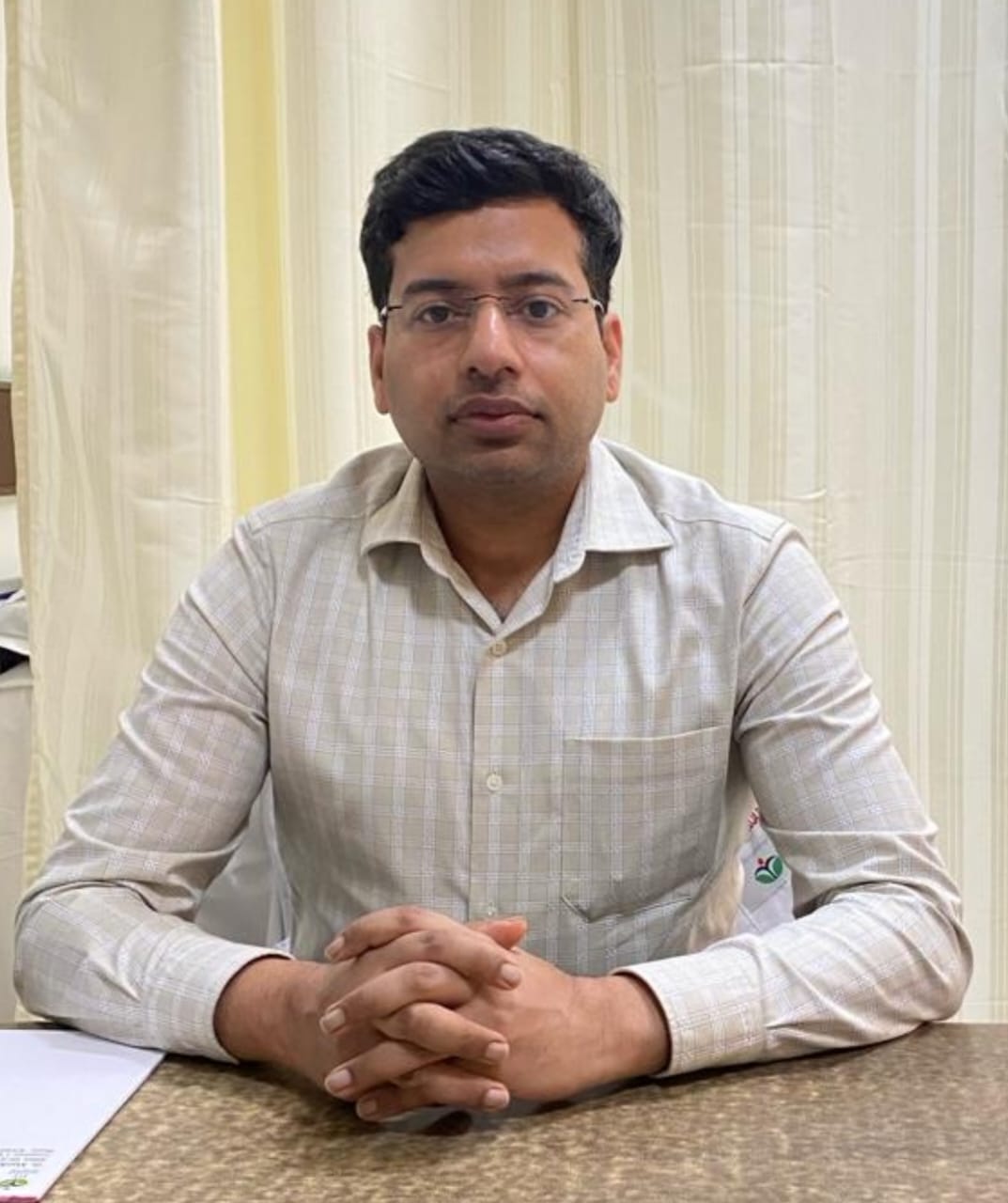
Dr. Nitin Aggarwal is a qualified Urologist and Andrologist — not a general physician prescribing testosterone. He understands the full male hormonal and reproductive picture: testosterone, prostate, fertility, and the interactions between them.
TRT without monitoring is dangerous. At Gini, every patient on TRT has a 3-monthly monitoring protocol: haematocrit, PSA, LFT, lipids, BP, and symptom reassessment. Dose adjustments are made based on data, not guesswork.
Sector 69 Mohali is accessible from across the Chandigarh-Mohali-Panchkula Tricity. Free parking on-site.
Address: Gini Advanced Care Hospital, Sector 69, Mohali, Punjab 160069
Happening across the Tricity — Chandigarh, Mohali, Panchkula, Kharar, Zirakpur — and almost universally undiagnosed.
Testosterone declines 1–2% per year after age 30. By 50, many men have testosterone levels that qualify as clinically low — producing fatigue, low libido, erectile dysfunction, muscle loss, weight gain, brain fog, and mood changes. In India, this is almost universally undiagnosed. Most men are told "it's stress" or "it's age."
At Gini, Dr. Nitin Aggarwal measures total testosterone, free testosterone, SHBG, LH, FSH, and prolactin — the full picture, not just total testosterone. A single total testosterone result can be misleading: a man with normal total T but high SHBG may have very low free (active) testosterone. The full panel reveals what a single test misses.
Commonly seen in Chandigarh, Mohali, Panchkula, Kharar, and Zirakpur patients — and rarely attributed to their true hormonal cause.
Persistent tiredness not explained by sleep quality or workload. Low testosterone is one of the most under-recognised causes of chronic fatigue in men over 40.
Reduced interest in sex, declining frequency of sexual thoughts. Testosterone is the primary driver of male sexual desire — low T is a direct physiological cause.
Difficulty achieving or maintaining erections. Low testosterone contributes to ED directly and indirectly through its effects on mood, energy, and vascular health.
Reduced muscle mass and strength despite regular exercise. Testosterone is the primary anabolic hormone in men — low levels make building and maintaining muscle progressively harder.
Especially abdominal fat accumulation. Low testosterone and abdominal obesity are mutually reinforcing — fat tissue converts testosterone to oestrogen, worsening the deficit.
Poor concentration, memory lapses, low motivation, irritability, and mild depression. Testosterone has significant effects on mood, motivation, and cognitive function.
From age-related andropause to pathological hypogonadism — Dr. Aggarwal identifies the cause and selects the right protocol.
Gradual, age-related testosterone decline. Unlike female menopause, it's slow — symptoms accumulate over years. The most common cause of low testosterone in Tricity men over 45.
Testicular failure — high LH/FSH, low T. The testes cannot produce adequate testosterone despite normal pituitary signals. Causes include genetic conditions, injury, infection, and chemotherapy.
Pituitary or hypothalamic failure — low LH/FSH with low T. The testes could produce testosterone but aren't receiving the signal. Obesity, pituitary tumours, and opioid use are common causes.
Testosterone injections (undecanoate every 10–14 weeks, or enanthate every 2–4 weeks) or daily topical gels. Choice depends on clinical picture, lifestyle, and monitoring capacity.
Every 3 months: haematocrit (primary TRT risk — blood thickening), PSA, LFT, lipids, BP, symptoms. Annual thereafter if stable. TRT without monitoring is not offered at Gini.
Men who want to preserve sperm production should NOT have TRT. Clomiphene citrate or hCG can raise testosterone while preserving fertility. Always discussed before TRT is prescribed.
Common questions from Chandigarh, Panchkula, Zirakpur, and Kharar patients about testosterone treatment at Gini.
Stop guessing. A full hormone panel takes one blood draw. Dr. Nitin Aggarwal will review your results and tell you clearly whether TRT is appropriate. Mon–Sat, 10 AM–6 PM. Hospital-integrated, NABH accredited.