Most men ignore their health until something breaks. Gini's Men's Health Programme is built to catch problems early, optimise your hormones, protect your heart, and restore function — before it becomes a crisis.
Men are biologically disadvantaged in one critical way: they don't seek help. The result is a pattern of preventable crises — heart attacks at 50, diabetes diagnoses at 48, and testosterone deficiencies that go unrecognised for a decade. The data below tells the story.
Each pillar is managed by a specialist, and all five work together. This is not a check-up — it is a structured, monitored protocol with measurable outcomes tracked over time.
Full hormonal assessment: Total testosterone, free testosterone, SHBG (sex hormone binding globulin), LH, FSH, prolactin, oestradiol, DHEA-S, and cortisol. This panel gives a complete picture of the hormonal axis — not just a single testosterone number.
Signs of low testosterone that we assess clinically: persistent fatigue, reduced libido, muscle loss despite regular exercise, unexplained weight gain especially around the abdomen, brain fog and poor concentration, mood changes including irritability or depression, poor or unrefreshing sleep, and reduced motivation or confidence.
Treatment approach: Lifestyle optimisation is always first — sleep, resistance training, weight management, and alcohol reduction can raise testosterone meaningfully in borderline cases. Where clinical hypogonadism is confirmed, Testosterone Replacement Therapy (TRT) is offered via injectable testosterone enanthate or undecanoate, transdermal gels, or pellets where appropriate.
Monitoring protocol: 3-monthly follow-up for the first year to adjust doses and track haematocrit, PSA, lipid profile, and testosterone levels. No TRT is initiated without a baseline cardiac risk assessment performed jointly by Dr. Bhansali and Dr. Aggarwal.
ED is a vascular disease before it is a sexual disease. The penile arteries are the smallest end-arteries in the body — when systemic vascular damage begins, they are the first to show it, typically 3–5 years before the coronary arteries are affected. A man with new-onset ED at age 45 has a 50% probability of a significant cardiac event within 5 years if his cardiovascular risk factors remain uncontrolled.
Cardiac risk assessment at Gini includes: Fasting lipid profile (LDL, HDL, triglycerides), HbA1c and fasting glucose, blood pressure measurement and trend review, resting ECG, and full Framingham cardiac risk scoring. Men with borderline results are referred for stress testing or vascular imaging as appropriate.
Management: Where cardiac risk is elevated, Dr. Bhansali's endocrinology team manages metabolic risk factors — glucose control, dyslipidaemia, and insulin resistance. Dr. Aggarwal manages the vascular-erectile component. The two teams work in a shared protocol with joint reporting at each visit.
This cardiac-first approach to men's health is what distinguishes Gini's programme from most fertility clinics or urology OPDs, which assess sexual function in isolation.
Erectile Dysfunction treatment ladder: Assessment begins with the IIEF questionnaire, vascular and hormonal workup, and psychogenic assessment. Treatment follows a step-up ladder: lifestyle modification → oral PDE5 inhibitors (sildenafil, tadalafil) → P-Shot (PRP therapy) for vascular regeneration → penile implant surgery for refractory ED. Dr. Aggarwal performs all implant surgeries personally using modern inflatable and semi-rigid devices with satisfaction rates above 90%.
Male infertility: Full workup includes semen analysis (WHO 2021 criteria), hormonal profile, scrotal ultrasound for varicocele, and genetic testing (karyotype, Y-microdeletion) where indicated. Treatment ranges from lifestyle and medical management to surgical varicocele repair, and microsurgical sperm retrieval — PESA, TESA, and mTESE — for men with azoospermia.
Premature ejaculation: Assessed and managed with a combined behavioural and pharmacological protocol. Significant psychological components are addressed in partnership with clinical psychology.
Peyronie's disease: Non-surgical options include intralesional verapamil and collagenase injections. Surgical correction is offered for significant penile curvature affecting function.
The testosterone-diabetes-obesity triangle is one of the most damaging cycles in men's health: low testosterone increases insulin resistance, which raises blood sugar, which further suppresses testosterone — and each turn of the cycle makes the next harder to break. This is why a urologist alone cannot manage testosterone deficiency in a diabetic man — an endocrinologist must co-lead the protocol.
Assessments include: Muscle mass assessment with sarcopenia screening, body fat percentage analysis, visceral fat scoring (a more important cardiovascular marker than BMI), and metabolic panel including fasting insulin, HbA1c, and thyroid function.
Intervention: A personalised resistance training protocol is designed for every patient. Protein targets are set based on lean mass. Where appropriate, GLP-1 therapy is initiated by Dr. Bhansali's team for men with obesity or significant metabolic syndrome — producing weight loss, improved insulin sensitivity, and indirect testosterone restoration.
Testosterone optimisation and metabolic management are always pursued together. Correcting one without the other produces suboptimal results in most men over 40.
Prostate health screening: Annual PSA (Prostate Specific Antigen) testing is recommended from age 45, and from age 40 in men with a family history of prostate cancer. PSA trends over time are more informative than any single value — which is why our programme creates a longitudinal record from your first visit.
Benign Prostatic Hyperplasia (BPH) evaluation: Urinary flow rate testing (uroflowmetry), post-void residual measurement, and IPSS (International Prostate Symptom Score) assessment. Men with significant BPH symptoms are evaluated for medical or surgical management including Laser TURP.
Kidney function in context: Men with diabetes and hypertension are at high risk of chronic kidney disease. Renal function — eGFR, serum creatinine, urine ACR — is assessed and tracked at every annual visit as part of the Men's Health Programme panel.
Testicular health: Testicular self-examination education, varicocele screening, and testicular ultrasound where indicated. Early varicocele detection is important for both fertility and testosterone production — varicoceles are present in 40% of infertile men and can be treated with microsurgical repair by Dr. Aggarwal.
Every patient moves through a structured sequence. The first visit establishes your baseline. The second visit delivers your personalised protocol. Every subsequent visit tracks your outcomes and adjusts as needed.
Why this structure matters: Most OPD visits for testosterone or ED last 15 minutes. A single consultation cannot produce a monitored, outcome-tracked protocol. Gini's programme is structured as a clinical programme — not a one-time visit. The difference is measurable: patients on monitored TRT protocols achieve target testosterone levels 3× more reliably than those on ad-hoc treatment.
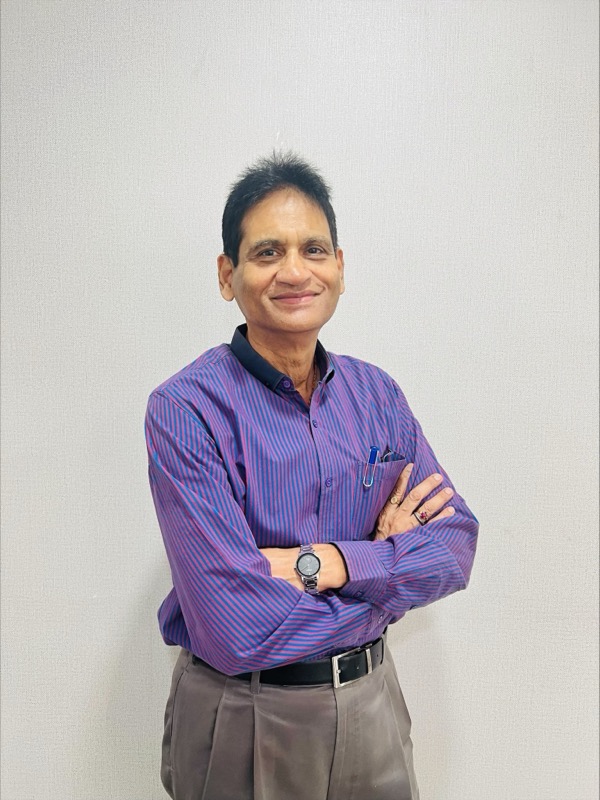
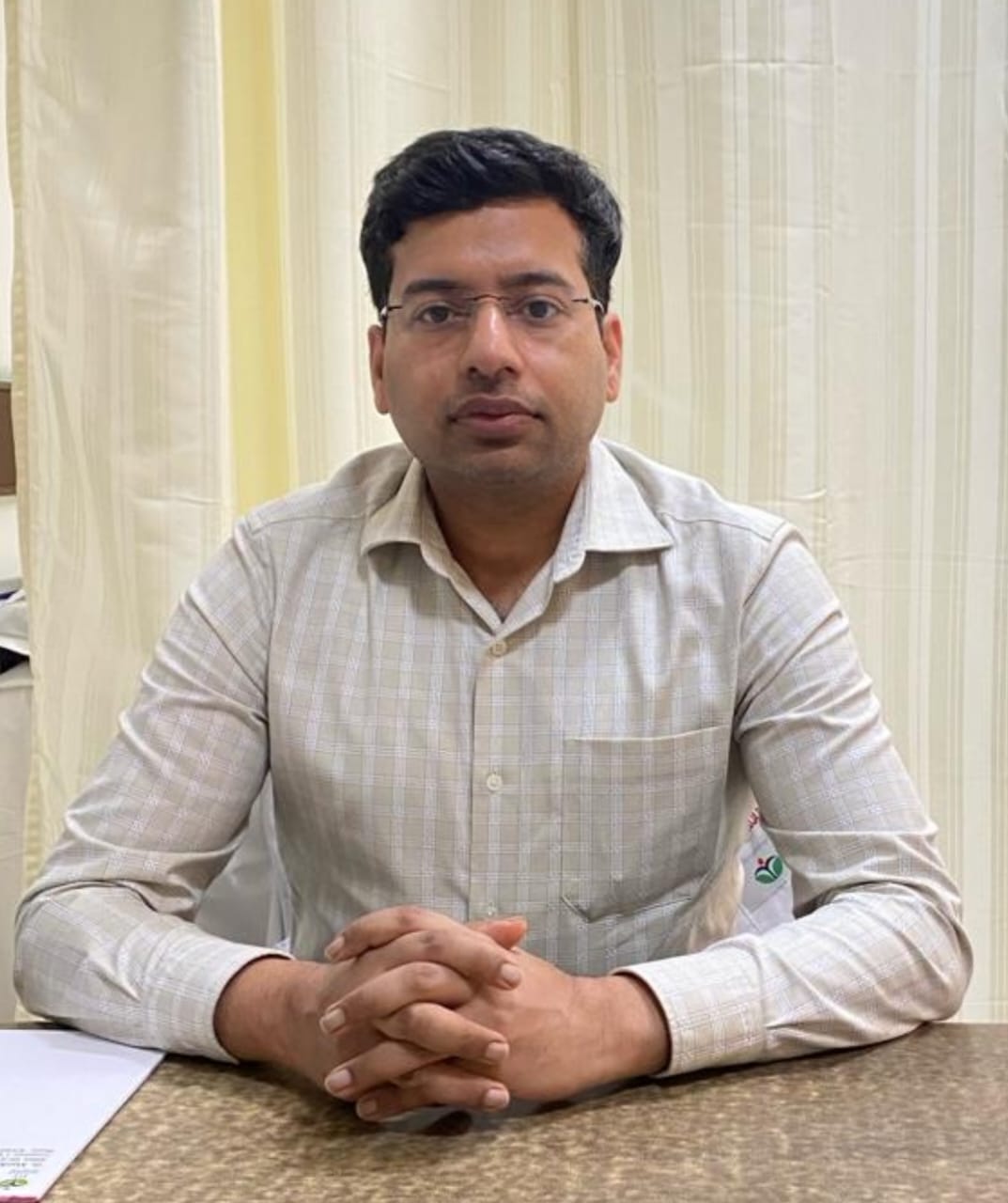
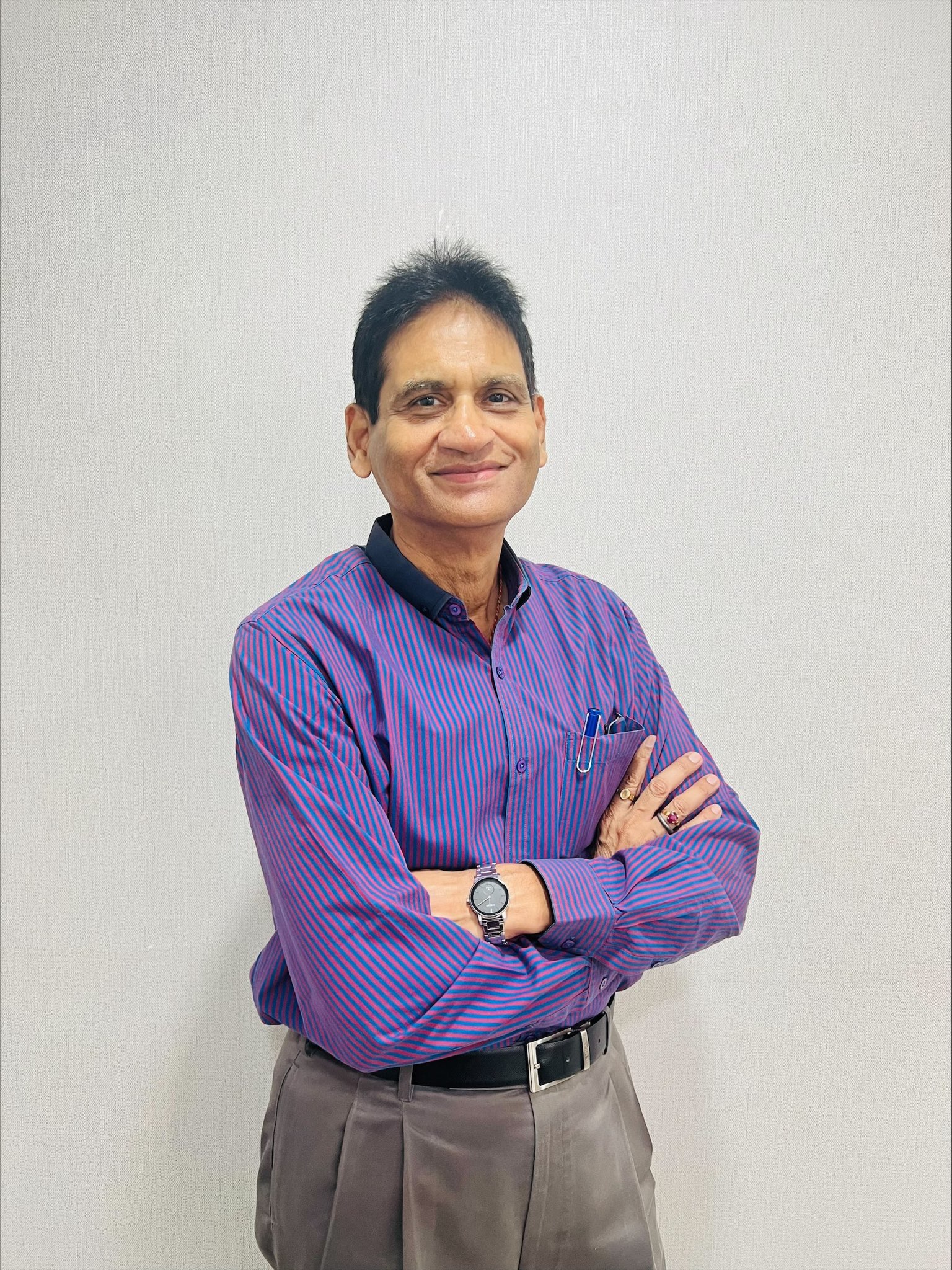
Men's health is inherently multi-disciplinary. At Gini, the programme is co-led by two of India's most experienced specialists — one endocrinologist, one urologist-andrologist — working from a shared clinical protocol.
The combined expertise of a urologist-andrologist and an endocrinologist in a single programme is rare in India. At Gini, both doctors review complex cases together — ensuring no dimension of men's health is managed in isolation.
If you're a man aged 35+ with any of the following, this programme is for you:
Even if you have none of the above — if you are a man over 40 who has never had a baseline hormonal and cardiac risk assessment, the first visit to our AndroScore programme will establish a reference point for the next decade of your health. It is the most important two hours you will invest in your long-term wellbeing.
We believe in transparent, upfront pricing. No hidden fees. Every cost is disclosed before your first visit.
All consultation fees include GST. Diagnostic tests are priced separately per lab at prevailing rates and will be quoted before any test is ordered. No test is ordered without your agreement.
Questions we hear from men every week — answered honestly, without jargon.
We recommend starting at 35, or earlier if symptoms are present. By 40, baseline hormone and cardiac risk assessment is strongly advisable — it gives you a reference point as you age and catches early problems when they're easiest to treat. Men who present at 50 or 55 with significant testosterone deficiency or cardiac risk have typically been accumulating these problems for 10–15 years. Early detection allows early, low-intensity intervention. The AndroScore assessment is designed specifically as a first step for men who want to be proactive rather than reactive.
When monitored properly by an endocrinologist and urologist together — yes. At Gini, TRT is managed with 3-monthly testosterone, haematocrit, PSA, and lipid monitoring. We do not start TRT without baseline cardiac risk assessment. Long-term safety data from well-monitored trials is reassuring. The concerns historically associated with TRT — prostate cancer risk, cardiovascular events — have not been borne out in appropriately selected and monitored patients in the modern literature. The TRAVERSE trial (2023) showed no increased cardiovascular risk in men on TRT with properly controlled metabolic factors. The key word is monitoring: TRT without monitoring is not safe medicine — TRT with monitoring is standard endocrine care.
Low testosterone is an independent risk factor for metabolic syndrome, insulin resistance, visceral fat accumulation, and cardiovascular events. Correcting it — appropriately, under monitoring — is associated with improved cardiac risk markers, not worsened ones. The fear is about supraphysiological testosterone (bodybuilding doses, performance use) — not therapeutic replacement that restores levels to the mid-normal physiological range. Men with symptomatic hypogonadism who are left untreated have consistently worse cardiovascular outcomes than those treated and monitored. This is one of the most important messages Dr. Bhansali emphasises in his endocrinology practice.
Men with diabetes have 3× the rate of ED due to neuropathy (nerve damage), vascular damage, and low testosterone secondary to insulin resistance. ED in a diabetic man is a serious early warning sign of cardiovascular risk — the penile vasculature reflects the health of the coronary and carotid vasculature. At Gini, we treat both simultaneously and do not separate them. Dr. Bhansali's team manages glucose optimisation, insulin sensitisation, and where appropriate GLP-1 therapy — while Dr. Aggarwal manages the sexual function component. Men who achieve tight glucose control often see meaningful improvement in erectile function without any specific ED treatment.
Dr. Aggarwal conducts a full infertility workup: semen analysis by WHO 2021 criteria, hormonal profile (FSH, LH, testosterone, prolactin), scrotal ultrasound for varicocele, and genetic testing (karyotype, Y-chromosome microdeletion) where indicated. The cause of azoospermia — whether obstructive or non-obstructive — determines the surgical approach. Obstructive azoospermia is treated with PESA or TESA. Non-obstructive azoospermia — where sperm production is impaired — requires microdissection TESE (mTESE), a microsurgical procedure that Dr. Aggarwal performs with sperm retrieval rates of 40–60% even in the most challenging cases. Retrieved sperm is used for ICSI at partner IVF labs.
Yes — injectable testosterone (enanthate, undecanoate) and transdermal gels are fully available in India and are standard medications. Injectable TRT starts at approximately ₹4,000/month including monitoring consultations. Dr. Bhansali and Dr. Aggarwal manage TRT together to ensure endocrine and urological oversight — no patient is prescribed testosterone by one doctor without the other being aware of their cardiovascular and prostatic profile. We do not use unregulated testosterone supplements or sports-use formulations. All prescriptions are from licensed pharmaceutical manufacturers and are administered in or supervised by our clinical team.
A general health check gives you lab results. Our programme gives you a personalised protocol — diet, exercise, medication, TRT if needed, and regular monitoring with outcomes tracked over time. Every patient's status is measured at each visit and compared to their baseline. The difference is between data and action. Most "executive health checks" produce a 12-page PDF that the patient reads once and puts in a drawer. Gini's programme produces a clinical protocol that is reviewed and updated every three months, with measurable targets for testosterone, HbA1c, lipids, and body composition. That is the difference between a health check and a health programme.
AndroScore Initial Assessment — 2 hours, ₹3,500. Includes full hormonal profile + consultation.