✅ Sector 69 Mohali  ·  Evidence-Based TRT  ·  Full Hormone Panel

Low Testosterone Treatment in Mohali — Evidence-Based TRT Under Specialist Care

The condition most Indian men are never tested for — and how Dr. Nitin Aggarwal treats it.

Testosterone declines 1–2% per year after age 30. By 50, many men have levels that qualify as clinically low — producing fatigue, low libido, erectile dysfunction, muscle loss, weight gain, brain fog, and mood changes. In India, this is almost universally undiagnosed. At Gini, Dr. Nitin Aggarwal runs the full panel — total T, free T, SHBG, LH, FSH, prolactin — not just a single number.

📍 Sector 69, Mohali · Gini Advanced Care Hospital · Free Parking

📞 0172 4120100
Sector 69
Mohali
Full Panel
T + Free T + SHBG + LH
TRT
Injectable & Topical
25,000+
Patients
NABH
Accredited
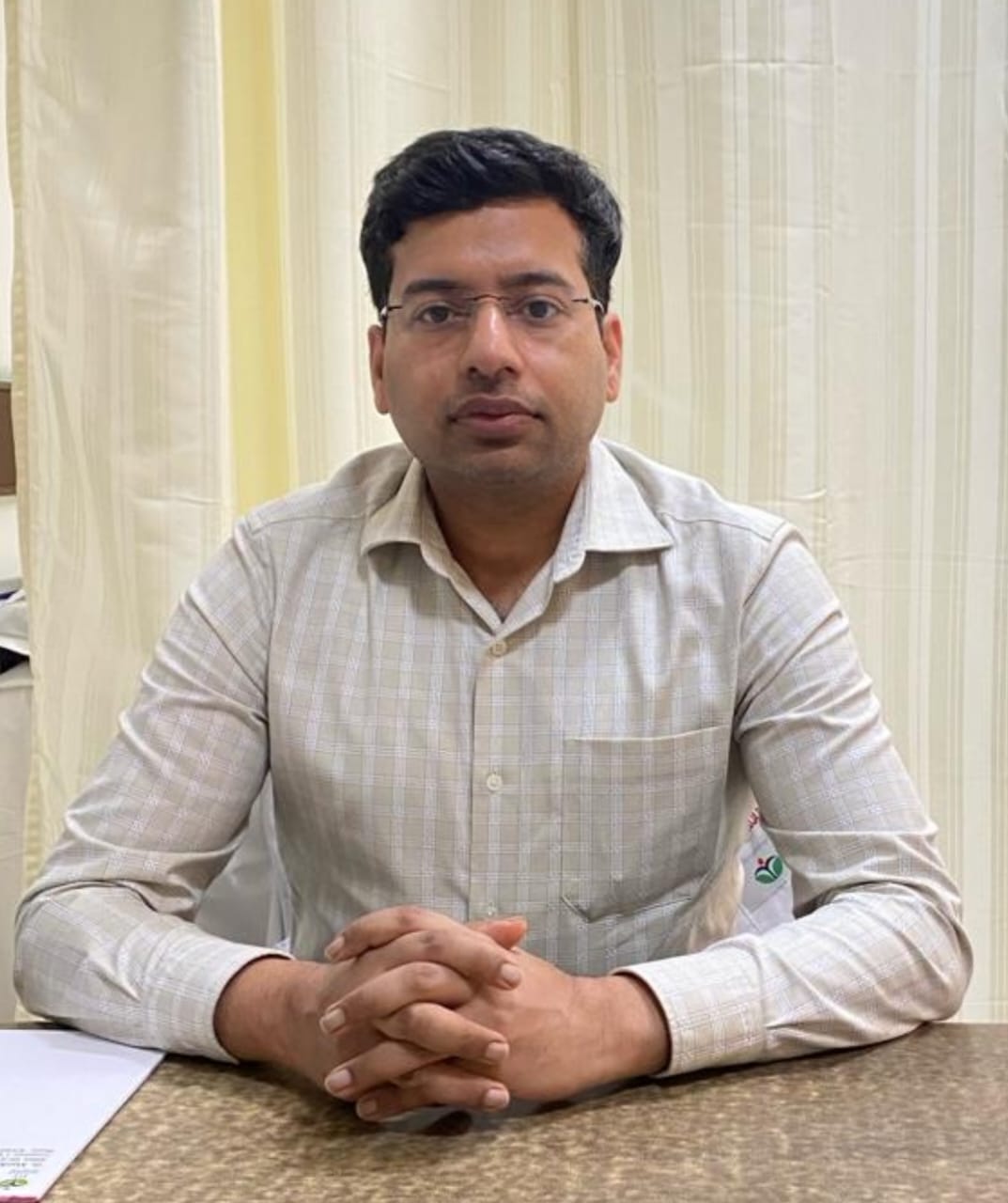
Dr. Nitin Aggarwal — Urologist and Testosterone Specialist at Gini Advanced Care Hospital Mohali

The testosterone problem most Indian men don't talk about

A slow, silent decline that most men attribute to "stress" or "getting older" — when it's actually measurable and treatable.

Testosterone declines 1–2% per year after age 30. By 50, many men have testosterone levels that qualify as clinically low — producing fatigue, low libido, erectile dysfunction, muscle loss, weight gain, brain fog, and mood changes. In India, this is almost universally undiagnosed. Most men are told "it's stress" or "it's age."

At Gini, Dr. Nitin Aggarwal measures total testosterone, free testosterone, SHBG, LH, FSH, and prolactin — the full picture, not just total testosterone. A single total testosterone result can be misleading: a man with normal total T but high SHBG may have very low free (active) testosterone. The full panel reveals what a single test misses.

Symptoms of Low Testosterone

These symptoms are frequently attributed to "lifestyle" or "age." Many respond dramatically to testosterone optimisation.

😴

Fatigue

Persistent tiredness not explained by sleep quality or workload. Low testosterone is one of the most under-recognised causes of chronic fatigue in men over 40.

❤️

Low Libido

Reduced interest in sex, declining frequency of sexual thoughts. Testosterone is the primary driver of male sexual desire — low T is a direct physiological cause.

Erectile Dysfunction

Difficulty achieving or maintaining erections. Low testosterone contributes to ED directly and indirectly through its effects on mood, energy, and vascular health.

💪

Muscle Loss

Reduced muscle mass and strength despite regular exercise. Testosterone is the primary anabolic hormone in men — low levels make building and maintaining muscle progressively harder.

⚖️

Weight Gain

Especially abdominal fat accumulation. Low testosterone and abdominal obesity are mutually reinforcing — fat tissue converts testosterone to oestrogen, worsening the deficit.

🧠

Brain Fog & Mood

Poor concentration, memory lapses, low motivation, irritability, and mild depression. Testosterone has significant effects on mood, motivation, and cognitive function.

🌙

Reduced Morning Erections

Morning erections (nocturnal penile tumescence) are a reliable indicator of testosterone and vascular health. Reduction or disappearance is a key clinical sign.

😰

Sleep Disturbances

Poor sleep quality, difficulty falling asleep, and waking during the night. Low testosterone and poor sleep are bidirectionally linked — each worsens the other.

Take the AndroScore — our free 20-question testosterone symptom assessment

📊 Take the AndroScore Assessment

Testosterone Conditions We Treat

From age-related decline to pathological hypogonadism — Dr. Aggarwal identifies the cause before prescribing treatment.

📉

Andropause

The male equivalent of menopause — a gradual, age-related testosterone decline. Unlike menopause, it's slow and often dismissed. Symptoms accumulate over years before most men seek help.

🔬

Primary Hypogonadism

Testicular failure — the testes cannot produce adequate testosterone despite normal or raised LH/FSH signals from the pituitary. Causes include Klinefelter syndrome, injury, infection, and chemotherapy.

🧠

Secondary Hypogonadism

Pituitary or hypothalamic failure — low LH/FSH with low testosterone. The testes could produce testosterone but aren't receiving the signal. Causes include pituitary tumours, obesity, opioid use, and stress.

💉

TRT for Clinically Low Testosterone

Full diagnostic work-up, baseline panel, risk assessment, and then evidence-based TRT with structured 3-monthly monitoring. Not "low normal" without symptoms — clinically low with confirmed symptoms.

⚖️

Testosterone Optimisation

Borderline levels (low-normal total T) with significant symptoms — especially when free T is low due to high SHBG. Requires careful clinical judgement rather than reference-range-only interpretation.

The Full Hormone Panel at Gini

A single total testosterone result is not a diagnosis. The full panel reveals the complete picture — and determines the right treatment pathway.

🧪
Total Testosterone
The starting point — but not the full picture. Must be done in the morning (8–10 AM) when levels peak.
⚗️
Free Testosterone
The biologically active fraction — the testosterone your cells can actually use. Often low even when total T appears normal.
🔗
SHBG
Sex hormone binding globulin — binds testosterone and makes it unavailable. High SHBG means low free testosterone despite normal total T.
📡
LH & FSH
Determines whether the problem is in the testes (primary) or the pituitary/hypothalamus (secondary) — critical for treatment selection.
🫘
Prolactin
Raised prolactin (often from a pituitary adenoma) suppresses testosterone. Must be ruled out before starting TRT.
🛡️
PSA + Haematocrit + Lipids
Baseline safety panel before TRT, then monitored every 3 months. PSA (prostate), haematocrit (blood thickening risk), lipid profile, LFT.

TRT Options at Gini

Evidence-based testosterone replacement — chosen based on your clinical picture, lifestyle, and monitoring capacity.

💉

Testosterone Injections

The most widely used form in India. Testosterone undecanoate (long-acting — every 10–14 weeks) or testosterone enanthate (every 2–4 weeks). Reliable, cost-effective, well-studied. Slight fluctuation in levels between injections.

🧴

Testosterone Gels

Topical daily application — produces more physiological, stable levels than injections. Convenient for patients who prefer to avoid injections. Requires care to avoid skin-to-skin transfer to partners or children.

🚫

Who Should NOT Have TRT

Prostate cancer diagnosis, severe untreated obstructive sleep apnoea, desire for fertility (TRT suppresses sperm production — clomiphene or hCG used instead), severe heart failure. Full risk assessment before any prescription.

📋

Monitoring During TRT

Every 3 months for the first year: haematocrit (raised haematocrit is the primary risk), PSA (prostate check), LFT, lipid profile, blood pressure, symptom reassessment. Annual thereafter if stable.

The AndroScore — Should You Be Tested?

Gini's AndroScore assessment is a free 20-question tool that quantifies testosterone-related symptoms and determines whether further investigation is warranted. It measures fatigue, libido, mood, physical performance, and sleep — producing a scored profile that Dr. Aggarwal uses as a starting point for clinical discussion.

Most men find it useful before their first consultation — it structures symptoms that are often vague and difficult to articulate, and helps Dr. Aggarwal focus the conversation efficiently.

📊 Take the Free AndroScore
📊
20
Questions
  • ✓ Fatigue & energy levels
  • ✓ Libido & sexual function
  • ✓ Mood & motivation
  • ✓ Physical performance
  • ✓ Sleep quality
  • ✓ Body composition changes
Free · 5 minutes · No login required

Frequently Asked Questions

Common questions about testosterone, TRT, and male hormonal health at Gini Hospital.

What is the normal testosterone level for men? +
Normal total testosterone in adult men is generally 300–1000 ng/dL (10.4–34.7 nmol/L), though reference ranges vary slightly by laboratory. However, total testosterone alone is not sufficient — free testosterone (the biologically active fraction) and SHBG must also be measured. At Gini, Dr. Nitin Aggarwal runs a full panel: total T, free T, SHBG, LH, FSH, and prolactin before any treatment decision.
Can low testosterone cause erectile dysfunction? +
Yes. Testosterone plays a central role in libido and contributes to erectile function. Clinically low testosterone is a recognised cause of reduced libido and can contribute to erectile dysfunction (ED). However, ED is multifactorial — cardiovascular disease, diabetes, and psychological factors also contribute. At Gini, Dr. Aggarwal conducts a full assessment before attributing ED to testosterone alone.
Is TRT safe long-term? +
TRT has been used safely in men with clinically low testosterone for decades. The main monitored risks are: raised haematocrit (blood thickening — managed with dose adjustment or blood donation), PSA rise (prostate monitoring — TRT is contraindicated in known prostate cancer), and sleep apnoea worsening. With proper 3-monthly monitoring, TRT is safe for the vast majority of appropriate candidates.
Does TRT affect fertility? +
Yes. TRT suppresses the pituitary's LH signal, reducing testicular testosterone and sperm production. Men who want to preserve or restore fertility should not start TRT. Instead, options like clomiphene citrate or hCG can raise testosterone levels while preserving sperm production. Dr. Aggarwal always asks about fertility intentions before prescribing TRT.
How quickly does TRT work? +
Most men notice improvements in energy and mood within 3–6 weeks. Libido improvement typically follows in 4–8 weeks. Muscle and body composition changes take 3–6 months. Sexual function changes (erections, morning erections) take 3–6 months for full effect. A 3–6 month trial is recommended before assessing the full therapeutic benefit.
What is the cost of TRT in Mohali? +
Consultation with Dr. Nitin Aggarwal: ₹1,200. Full hormone panel (total T, free T, SHBG, LH, FSH, prolactin, PSA, haematocrit, lipids, LFT): approximately ₹3,500–4,500. Testosterone injections (undecanoate, per injection): ₹1,500–3,500 depending on preparation. Monitoring bloods every 3 months: approximately ₹2,000–3,000. Call 0172 4120100 for exact current pricing.

Book Your Testosterone Consultation at Gini Hospital, Mohali

Stop guessing. A full hormone panel takes one blood draw. Dr. Nitin Aggarwal will review the results and tell you clearly whether TRT is appropriate — and what the best protocol is for you.

📞 0172 4120100
Chat with us