🚨 +91 82888 43800 — 24/7 Emergency · Gangrene spreads fast — call now, do not wait for an OPD slot
Emergency Gangrene & Limb Salvage — Gini Advanced Care Hospital, Mohali

Gangrene in the Foot — Emergency Treatment and Limb Salvage in Mohali

Gangrene is a surgical emergency. At Gini, Dr. Beant Kaur Sidhu and the critical-care team treat wet, dry and gas gangrene with same-day surgical debridement, IV antibiotics, vascular restoration and one goal — saving the maximum possible limb.

📍 Sector 69, SAS Nagar (Mohali), Punjab · Serving Chandigarh Tri-City
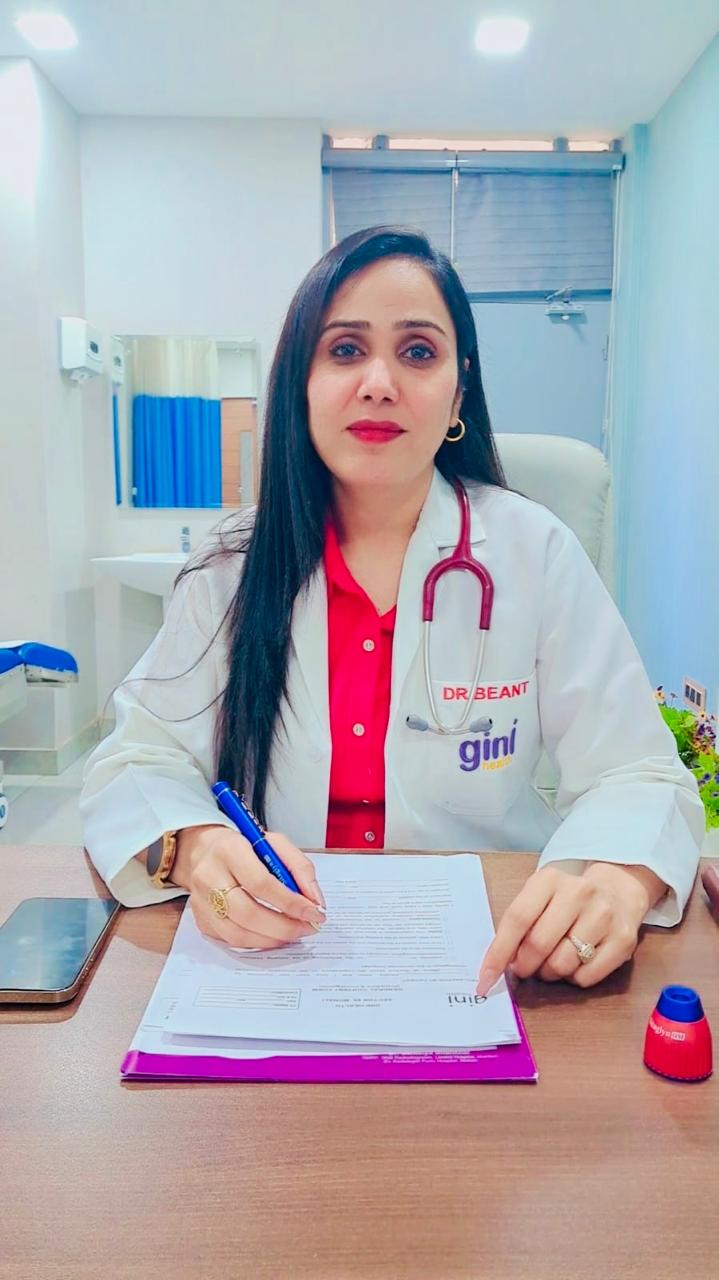
Dr. Beant Kaur Sidhu, diabetic foot and limb salvage specialist at Gini Advanced Care Hospital Mohali

What Is Gangrene of the Foot?

Gangrene means tissue death — when part of the foot loses its blood supply, becomes infected, or both, the tissue dies. Recognising which type you are dealing with determines how urgently you must act.

🌚 Dry Gangrene

Tissue death caused by a gradual loss of blood supply — usually from peripheral arterial disease. The affected part turns dark brown to black, becomes dry, cold and shrunken, and is typically not infected. It progresses more slowly than wet gangrene, but still needs specialist assessment because the underlying poor circulation must be treated.

💧 Wet Gangrene

The most common and most dangerous type in diabetic feet. Dying tissue becomes infected — the foot swells, blisters, weeps, smells foul, and the blackening spreads rapidly. Bacteria and toxins can enter the bloodstream and cause life-threatening sepsis. Wet gangrene is a surgical emergency requiring same-day treatment.

💨 Gas Gangrene

A rare but rapidly progressive infection (often Clostridium) that produces gas within the tissues — the skin may crackle to the touch. It advances extremely fast and can be fatal. It demands immediate surgery, high-dose IV antibiotics and intensive-care support. Any foot that is swelling and blackening by the hour must reach an emergency department at once.

Why Gangrene Develops in People With Diabetes

In diabetes, three problems act together to turn a minor foot injury into gangrene — often without the patient feeling a thing until it is advanced.

🩹

Neuropathy — Loss of Pain Sensation

Long-standing high blood sugar damages the nerves of the feet. A blister, cut, burn or ingrown nail causes no pain, so it goes unnoticed and untreated — giving infection an open door.

🩸

Poor Blood Flow (PAD)

Diabetes narrows and hardens the arteries supplying the legs and feet. With inadequate circulation, tissue is starved of oxygen and wounds cannot heal — the exact conditions in which gangrene takes hold.

🦠

Weakened Immunity + High Glucose

High blood sugar impairs the white cells that fight infection and feeds bacteria. An infection that a healthy body would contain can spread through a diabetic foot alarmingly quickly.

When these three factors combine, an injury as small as a shoe rub can progress from redness, to ulcer, to infection, to gangrene in a matter of days. This is why every diabetic foot wound deserves urgent, specialist attention — and why Dr. Beant Sidhu treats them as time-critical, not routine.

The Emergency Timeline — Why Hours Matter

With gangrene — especially wet and gas gangrene — every hour of delay costs living tissue. Infection and tissue death advance while the foot is untreated, and what could have been a minor toe procedure can become a major amputation if the patient waits too long. The single biggest factor in whether a limb is saved is how quickly a specialist sees it.

🔴 Same day

Any black, foul-smelling, rapidly spreading, or swelling foot tissue needs assessment today — not at the next OPD appointment. Come to emergency or call the hotline.

🔴 Do not "watch and wait"

Home dressings, antiseptics and oral antibiotics started at home cannot stop established gangrene. They only delay the treatment that saves the limb.

🔴 Sepsis is the real danger

Fever, confusion, a racing heart, or feeling very unwell alongside a black or infected foot can signal spreading blood infection — a threat to life, not just the limb. This is a call-an-ambulance situation.

📞 +91 82888 43800 — Call the 24/7 Emergency Line

The Gini Treatment Approach — Save the Maximum Limb

Gangrene treatment runs on two tracks at once: remove and control the dead, infected tissue, and restore the blood flow and blood sugar control the limb needs to heal.

1 · Surgical Debridement

Dead and infected tissue is removed surgically — the essential first step, because gangrenous tissue cannot be revived and will keep feeding infection until it is gone. Debridement is done carefully to preserve every millimetre of viable, salvageable tissue.

2 · IV Antibiotics

Targeted intravenous antibiotics control the infection driving wet and gas gangrene. Gini's in-house lab returns culture and blood results fast, so antibiotic choice can be tuned to the exact organism rather than guessed.

3 · Vascular Restoration

A wound cannot heal without blood flow. In-house vascular assessment (ABI, Doppler) identifies blockages, and circulation is restored where possible — including, in selected patients, stem cell therapy to stimulate new blood-vessel growth in feet with critically poor flow.

4 · Minor Amputation to Save the Limb

Where a toe or small section of foot is beyond saving, a minor or ray amputation removes only the unsalvageable part — preserving a functional, weight-bearing foot. Removing a toe to save a leg is limb salvage, not failure.

5 · Intensive Glucose Control

Running alongside every other step: tight blood sugar control. Wounds simply do not heal in a high-glucose environment. Dr. Sidhu's endocrinology training — under Dr. Anil Bhansali — makes this a core part of the plan, not an afterthought.

6 · Wound Reconstruction & Follow-Up

Once infection is controlled and blood flow restored, the remaining wound is managed to healing — with negative-pressure (VAC) therapy, advanced dressings and, where needed, skin grafting. Long-term follow-up protects against recurrence.

When Does Major Amputation Become Unavoidable?

Limb salvage is always the goal — but not every limb can be saved. Being honest about when major amputation is genuinely necessary is part of responsible care.

A major amputation (below or above the knee) is considered only when saving the limb is no longer possible or when keeping it endangers the patient's life. The decision is made carefully, with the patient and family, based on the whole clinical picture — never as a shortcut. The main factors that push toward major amputation are:

  • Overwhelming, uncontrollable infection — where the infection is spreading up the leg despite surgery and antibiotics, threatening life through sepsis.
  • Unreconstructable blood supply — where circulation to the foot cannot be restored by any means, so no amount of wound care will allow healing.
  • Extensive tissue destruction — where so much of the foot is already dead that no functional, weight-bearing limb can remain.
  • Life-threatening sepsis — where removing the source of infection is the only way to save the patient's life.
Before you accept an amputation recommendation from anywhere

"Amputation recommended" elsewhere is often not the final answer. Dr. Sidhu and the Gini team reassess amputation-referred feet systematically — and in many cases the limb, or far more of it than expected, can be saved. Please call +91 82888 43800 for a specialist opinion first.

Same-Day Specialist Assessment Under One Roof

Gangrene is where a hospital's structure decides the outcome. At Gini, the diabetic foot specialist, endocrinologist, vascular assessment, in-house lab, operating theatre and ICU are in one building and in constant communication — so treatment starts in hours, not after days of referrals between centres.

  • Dr. Beant Sidhu leads wound and limb-salvage decisions
  • Endocrinology (trained under Dr. Anil Bhansali) drives blood sugar control
  • Critical-care & ICU team manage any sepsis
  • In-house vascular assessment — ABI, Doppler — same day
  • Lab results in ~15 minutes — so antibiotics and surgery are not delayed

This integrated model is what makes aggressive limb salvage possible — and it is exactly what a standalone wound clinic or a general hospital without an on-site diabetic foot specialist cannot offer.

🚨 +91 82888 43800 — Speak to the Team Now

Gangrene — Frequently Asked Questions

How fast does gangrene in the foot spread?

Wet gangrene and gas gangrene are surgical emergencies that can spread over hours, not days — especially in diabetics whose blood supply and immunity are already compromised. Dry gangrene progresses more slowly. Because the exact speed depends on the type of gangrene, the organism and blood flow, any black, foul-smelling or rapidly spreading foot tissue must be assessed the same day. Call +91 82888 43800 immediately.

What is the difference between wet, dry and gas gangrene?

Dry gangrene is tissue death from gradually reduced blood supply — the area turns dark, dry and shrunken, usually without infection. Wet gangrene involves bacterial infection of dying tissue, is swollen, foul-smelling and spreads quickly — it is the type most common in diabetic feet. Gas gangrene is a rare, rapidly progressive infection producing gas within tissue and requires immediate surgery and IV antibiotics.

Does gangrene in the foot always mean amputation?

No. While dead (necrotic) tissue must be removed, the goal at Gini is limb salvage — removing only what is unsalvageable through debridement or minor/ray amputation while restoring blood flow and controlling infection to preserve as much of the foot as possible. Major amputation is a last resort reserved for overwhelming infection, unreconstructable blood supply or life-threatening sepsis. Get a specialist opinion before accepting any amputation recommendation.

Why do diabetics develop foot gangrene?

Diabetes drives gangrene through three pathways acting together: peripheral neuropathy (loss of pain sensation, so injuries go unnoticed), peripheral arterial disease (poor blood flow that starves tissue and prevents healing), and impaired immunity plus high glucose that let infection spread fast. A minor cut, blister or ingrown nail can become gangrene within days when these factors combine.

What should I do right now if I think I have gangrene?

Do not wait for an OPD appointment and do not try home remedies. Call Gini's 24/7 emergency line on +91 82888 43800 or come directly to the emergency department at Sector 69, Mohali. Same-day specialist assessment, in-house lab, vascular imaging and surgical debridement give the best chance of saving the limb.

Can gangrene be treated without surgery?

Gangrenous (dead) tissue itself cannot be revived — it must be removed surgically. However, the surrounding limb is very often saved with a combination of debridement, IV antibiotics, restoring blood flow and intensive blood sugar control. Early treatment means less tissue is lost. The earlier a specialist sees the foot, the more of it can be preserved.

Gini Advanced Care Hospital — Mohali

Gini Advanced Care Hospital

Sector 69, SAS Nagar (Mohali), Punjab 160071

OPD
0172-4120100
Emergency (24/7)
+91 82888 43800
WhatsApp
+91 81463 20100
🚨 Emergency: +91 82888 43800

Contributing — Gurjot Narwal, Founder

Chat with us