Limb Salvage & Amputation Second Opinion — Gini Advanced Care Hospital, Mohali

Limb Salvage in Mohali — A Second Opinion Before Amputation

Amputation is irreversible — a second opinion is not. Before accepting that a leg or foot must be removed, let Dr. Beant Kaur Sidhu reassess the wound, the infection and the blood flow. Many limbs referred for amputation can still be saved.

If you have been told amputation is necessary — call us before accepting that recommendation:
📞 +91 82888 43800

📍 Sector 69, SAS Nagar (Mohali), Punjab · Serving Chandigarh Tri-City
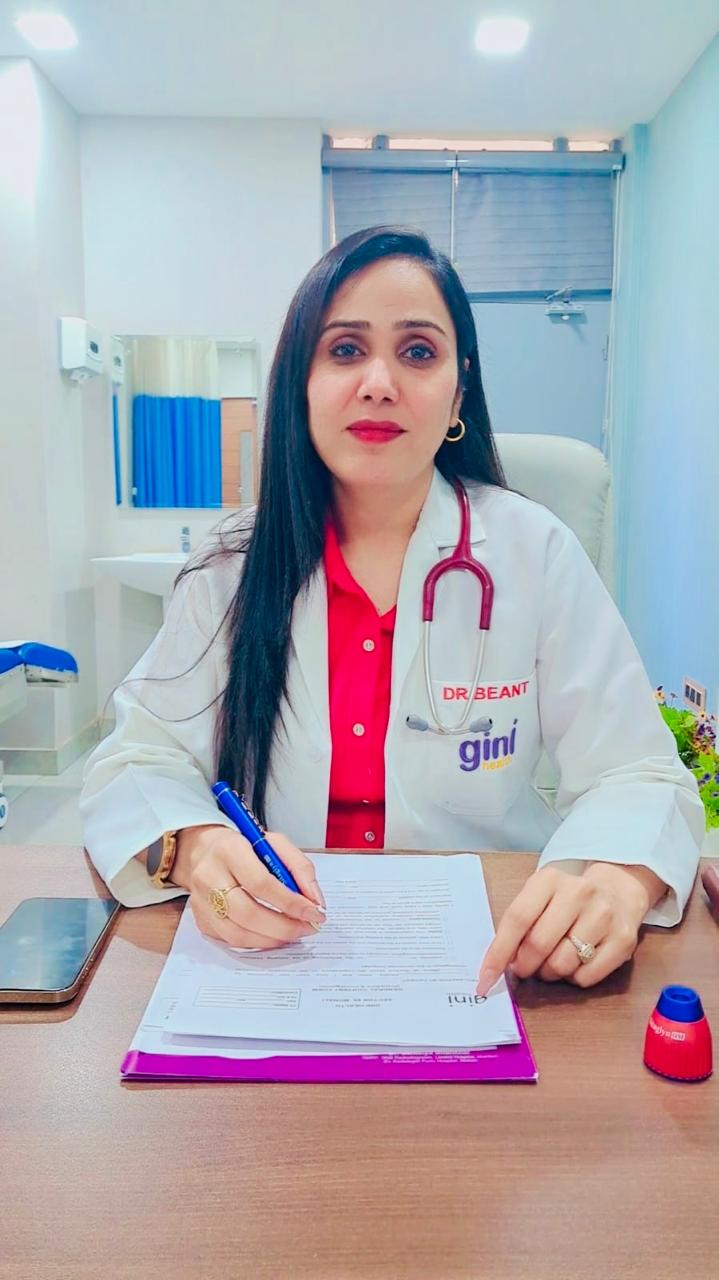
Dr. Beant Kaur Sidhu, Diabetic Foot and Limb Salvage Specialist at Gini Advanced Care Hospital Mohali

Amputation vs Limb Salvage — When Is Each Right?

An amputation recommendation is not always the final answer. A structured assessment tells apart the limb that must be removed to save a life from the limb that can still be saved.

When amputation may be genuinely necessary

  • 🔴 Overwhelming, uncontrollable infection that threatens the patient's life
  • 🔴 Extensive, irreversible tissue death (widespread gangrene)
  • 🔴 A limb that can no longer be made functional or pain-free
  • 🔴 Blood supply that cannot be restored and tissue that cannot heal

In these situations amputation can be life-saving — and the goal shifts to preserving the maximum functional length and enabling rehabilitation.

When a limb can often be saved

  • ✅ Infection can be controlled with drainage, debridement and antibiotics
  • ✅ Blood flow is adequate — or can be restored (revascularisation)
  • ✅ Enough healthy tissue remains for the wound to heal
  • ✅ Blood sugar can be brought under control to allow healing

Many patients referred elsewhere for amputation fall into this group once the wound, infection and circulation are properly reassessed.

What a Limb Salvage Assessment Involves

A systematic evaluation of the wound, the infection, the blood flow and the whole patient — the basis for deciding whether and how a limb can be saved.

🔎

1. Wound Evaluation & Grading

A full assessment of the wound — depth, tissue involvement, dead tissue and grade — establishes exactly what the specialist is dealing with and how urgent it is.

🦠

2. Infection Assessment & Control

Identifying the extent of infection, taking cultures, and starting drainage, debridement and appropriate antibiotics — because uncontrolled infection is the fastest route to losing a limb.

🩸

3. Vascular Assessment (ABI & Doppler)

Blood flow is the deciding factor for healing. Ankle-brachial index (ABI) and Doppler studies measure circulation to the limb and reveal whether revascularisation is needed and feasible.

🩺

4. Blood-Sugar & Whole-Patient Review

Because wounds cannot heal in a high-glucose environment, glucose control is optimised alongside review of overall health — co-managed with endocrinology under Dr. Anil Bhansali.

🖥️

5. Imaging Where Needed

Where bone involvement (osteomyelitis) or deep infection is suspected, imaging clarifies the extent — guiding surgical planning and the salvage strategy.

🧭

6. A Clear, Honest Plan

From the findings, Dr. Sidhu sets out whether the limb can be saved and how — debridement, VAC, revascularisation, foot-preserving surgery — with realistic expectations, always.

Wound-Care Modalities Used in Limb Salvage

🔪 Debridement

Surgical removal of dead, infected and non-viable tissue. Debridement clears the wound bed so that healthy tissue can heal and so infection cannot hide and spread — often the first and most important step in saving a limb.

🌀 VAC / Negative-Pressure Therapy

Vacuum-assisted closure (VAC) applies controlled negative pressure across the wound. It removes excess fluid, reduces bacterial load, improves blood flow at the wound bed and stimulates the growth of healthy granulation tissue — accelerating healing in complex wounds.

🩸 Vascular Assessment — ABI & Doppler

Ankle-brachial index (ABI) and Doppler ultrasound assess how well blood reaches the foot. Where circulation is inadequate, restoring blood flow (revascularisation) may be needed before a wound can heal — which is why vascular assessment is central to every limb salvage plan.

💊 Infection Control & Glucose Optimisation

Targeted antibiotics guided by cultures, drainage of abscesses, and intensive blood-sugar control together create the conditions a wound needs to heal. At Gini this is delivered by an integrated team, with ICU support available for systemic infection.

🧬 Stem Cell Therapy for Critical Limb Ischaemia

Gini offers stem cell therapy for critical limb ischaemia — autologous stem cells are used to stimulate new blood vessel formation, restoring circulation to feet where standard wound care alone cannot succeed. Eligibility is determined by a vascular and haematological assessment; Dr. Beant Kaur Sidhu discusses realistic expectations with every patient before proceeding.

The 72-Hour Infection Window

In a severe diabetic foot infection, the first roughly 72 hours are decisive. Within that window, aggressive infection control — drainage, debridement of dead tissue, the right antibiotics — combined with blood-sugar control can be the difference between saving and losing the limb.

Every day of delay allows the infection to spread deeper into tissue and bone, and can turn a foot that could have been saved into one that requires amputation. This is why a limb salvage second opinion should never be postponed.

If a limb is threatened, do not wait for a scheduled appointment. Our 24/7 emergency line connects you directly to the team.

📞 Call +91 82888 43800 Now

Dr. Beant Kaur Sidhu — Limb Salvage Expertise

Dr. Beant Kaur Sidhu, Diabetic Foot and Limb Salvage Specialist, Gini Hospital Mohali

Dr. Beant Kaur Sidhu

Diabetic Foot & Limb Salvage Specialist
Trained under Dr. Anil Bhansali · PGIMER Chandigarh
  • Reassesses cases referred elsewhere for amputation — systematically, before any irreversible decision
  • Debridement, wound VAC/negative-pressure therapy, vascular assessment (ABI, Doppler) and foot-preserving surgery
  • Simultaneous intensive blood-sugar control — the rate-limiting step in healing — from her endocrinology training
  • Works within an integrated team with endocrinology and a 30-bed ICU for systemic infection under one roof

Dr. Beant Sidhu approaches every threatened limb with a salvage-first philosophy and an honest assessment. Where a limb can be saved, she pursues it aggressively; where amputation is genuinely necessary to protect life, she says so clearly and preserves maximum function. Her endocrinology training under Dr. Anil Bhansali means blood sugar — the factor that so often decides whether a wound heals — is optimised from day one.

View Full Profile →

When to Seek a Second Opinion

Amputation is permanent. If any of the following applies, get a limb salvage second opinion — urgently.

🔴 You have been told the limb must be removed

Before consenting to amputation, have the wound, infection and blood flow reassessed. The recommendation may change.

🔴 No vascular assessment was done

If blood flow was never measured (ABI/Doppler), the possibility of restoring circulation and saving the limb may not have been explored.

🔴 The wound is not healing

A non-healing wound often reflects poor blood flow, uncontrolled infection or high blood sugar — each of which may be treatable.

🔴 Spreading infection or fever

Rapidly spreading redness, discharge, black tissue or feeling unwell is an emergency. Call immediately — do not wait.

Call us before accepting an amputation

A phone call costs nothing. A limb lost that could have been saved cannot be undone.

📞 +91 82888 43800 (24/7 Emergency)

Frequently Asked Questions

Limb salvage and amputation second opinions at Gini Advanced Care Hospital, Mohali.

I have been told I need an amputation — is a second opinion worthwhile? +
Yes. An amputation recommendation is not always the final answer. Many limbs referred for amputation can be saved once the wound, infection and blood flow are systematically reassessed and blood sugar is brought under control. Amputation is irreversible, so before accepting it, seek a limb salvage second opinion. Call +91 82888 43800.
When is amputation genuinely necessary versus when can a limb be saved? +
Amputation may be genuinely life-saving when there is overwhelming, uncontrollable infection threatening life, extensive irreversible tissue death, or a limb that can no longer be made functional. A limb can often be saved when infection can be controlled, when blood flow can be restored or is adequate, and when enough healthy tissue remains to heal. A structured limb salvage assessment tells the two situations apart.
What does a limb salvage assessment involve? +
It involves a full wound evaluation and grading, assessment and control of infection, a vascular assessment of blood flow (ABI and Doppler studies), review of blood-sugar control and overall health, and imaging where bone involvement is suspected. From this, a specialist decides whether debridement, negative-pressure (VAC) wound therapy, revascularisation, foot surgery or other measures can save the limb.
What is the 72-hour infection window in a diabetic foot? +
In a severe diabetic foot infection, the first roughly 72 hours are critical. Aggressive infection control, drainage or debridement of dead tissue, appropriate antibiotics and blood-sugar control in that window can be the difference between saving and losing the limb. Delay allows infection to spread deeper and can turn a salvageable foot into one requiring amputation — which is why urgent assessment matters so much.
What wound-care treatments are used to salvage a limb? +
Limb salvage combines surgical debridement (removing dead and infected tissue), negative-pressure wound therapy (VAC) to promote healing and manage exudate, vascular assessment and revascularisation where blood flow is inadequate, targeted antibiotics, offloading, and intensive glucose control — often alongside foot-preserving surgery. The plan is tailored to each patient after assessment.
How urgently should I seek a second opinion before amputation? +
As soon as possible. Because infection and tissue loss can progress within hours to days, a limb salvage second opinion should not be delayed. If you or a family member has been told amputation is necessary, call us before accepting that recommendation — +91 82888 43800, 24/7.

Request a Limb Salvage Assessment with Dr. Beant Sidhu

Gini Advanced Care Hospital · Sector 69, SAS Nagar (Mohali), Punjab 160071

Second Opinion · Vascular Assessment · Debridement · VAC Therapy · Integrated Diabetes Control

🚨 Call Before Amputation: +91 82888 43800
Chat with us